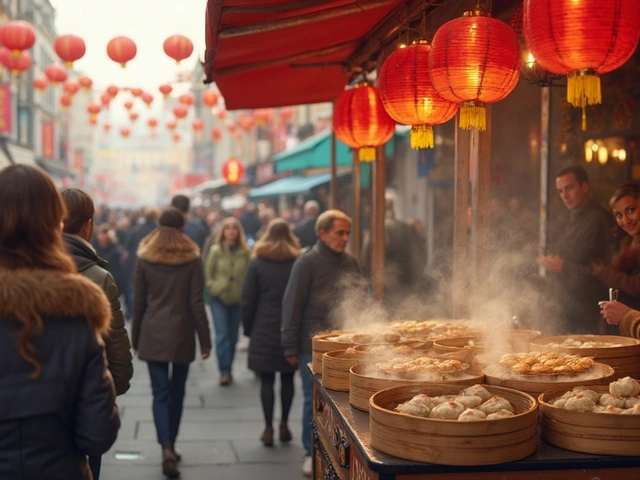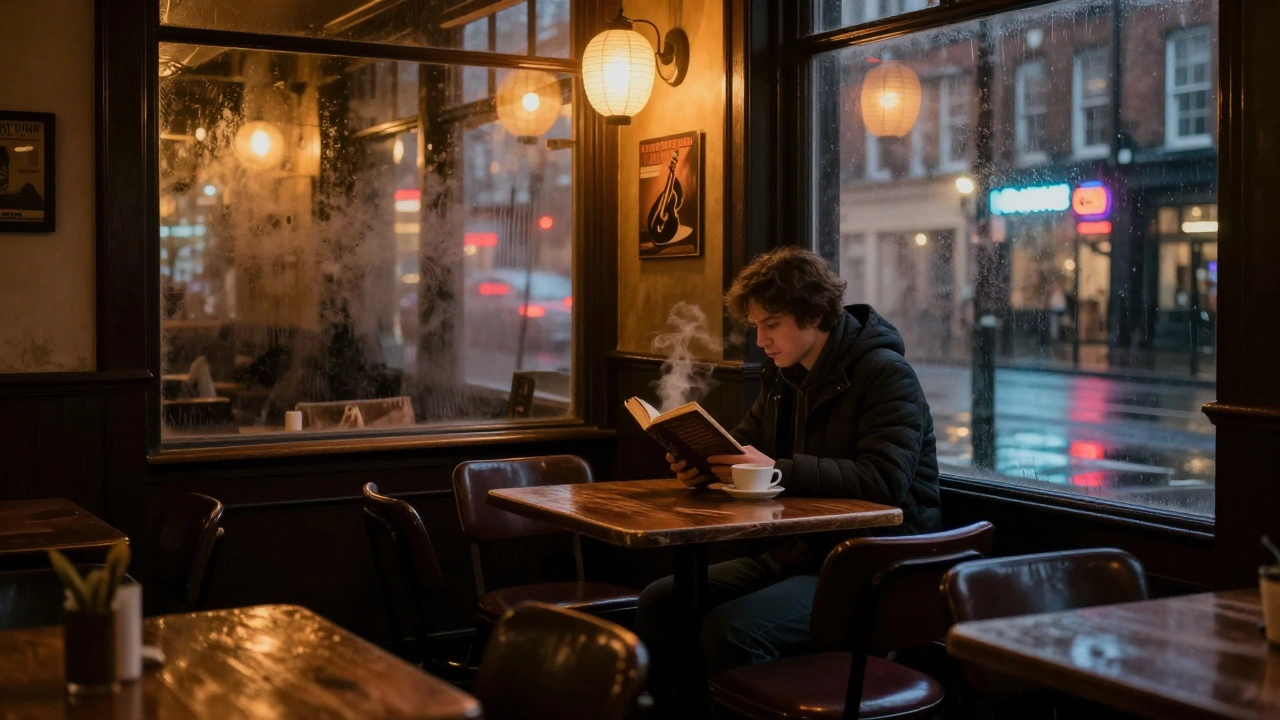

You’ve just finished dinner, but your night isn’t done. The city’s still humming. The lights are brighter now. The streets feel different-quieter, but alive in a way that only London knows after midnight. You don’t want a club. You don’t want another bar. You just want a place to sit, sip something warm, and let the city breathe around you. That’s where a London night cafe comes in.
What Makes a Night Cafe Different?
A night cafe isn’t just a pub with coffee. It’s not a 24-hour Starbucks either. It’s a space designed for the quiet, the tired, the curious, and the awake when the world sleeps. These are places where the lights are low, the music is soft, and the baristas know your name by the third visit. You can come in at 1 a.m. after a late shift, at 3 a.m. after a gig, or at 5 a.m. because you just can’t sleep. No one rushes you. No one stares. You’re not a customer-you’re a guest.
London’s night cafes aren’t new, but they’ve evolved. Back in the 90s, they were mostly greasy spoons for cabbies and night workers. Today, they’re curated spaces: Japanese-style kiosks in Shoreditch, Italian espresso bars in Camden, Scandinavian minimalism in Peckham. Some serve matcha lattes. Others have whiskey flights. A few even open their kitchens at 2 a.m. for truffle fries or miso-glazed salmon toast.
Why You Need a Night Cafe in Your Life
Think about it. When was the last time you sat still after dark without scrolling? Without talking? Without pretending to be somewhere else? London moves fast. Even at night, it’s loud. But a good night cafe gives you permission to pause.
People come here for all kinds of reasons. A nurse finishing her 12-hour shift. A writer chasing the last spark of inspiration. A student cramming before an exam. A couple who just had their first fight and need silence to figure out what to say next. A tourist who missed the last Tube and has nowhere else to go.
These places don’t sell caffeine. They sell calm. They sell time. They sell the quiet understanding that not every night needs to be loud to be meaningful.
Types of Night Cafes You’ll Find in London
Not all night cafes are the same. Here’s what’s actually out there:
- Classic Espresso Lounges - Think The Coffee House in Soho. Dark wood, vinyl chairs, old jazz on repeat. They open at 8 a.m. and close at 4 a.m. Perfect for solo work or reading. Their dark roast? Strong enough to wake up a ghost.
- Asian-Inspired Night Spots - In Hackney, Chōji serves matcha lattes with yuzu cake until 5 a.m. The walls are lined with paper lanterns. The staff never raises their voice. It feels like being tucked in.
- Book-and-Brew Havens - Page & Bean in Brixton has a rotating shelf of secondhand books you can read for free while you sip. No Wi-Fi. No rush. Just coffee, paper, and silence.
- Art & Brew Spaces - In Peckham, The Night Gallery turns into a cafe after 10 p.m. Local artists display work on the walls. You can buy a print, or just sit and stare at it. They serve cold brew on tap and oat milk croissants.
- 24-Hour Comfort Cafes - Elmwood’s in Walthamstow is open all night, every night. They make bacon sandwiches at 3 a.m. and serve them with extra ketchup. It’s not fancy. But it’s home.
Where to Find the Best Night Cafes in London
You don’t need a map. You need to wander. But here’s where to start:
- Shoreditch - The epicenter. Try Barista & Co. near Redchurch Street. They have a secret menu only regulars know.
- Camden - The Midnight Grind is tucked behind a record shop. They play vinyl only. No playlists. Just soul, jazz, and blues.
- Peckham - The Night Gallery is the quiet rebel. No neon. No loud music. Just art and espresso.
- Walthamstow - Elmwood’s is the real deal. Open since 1998. The owner still makes the coffee. He remembers your order.
- Islington - Quiet Hour opens at 11 p.m. and doesn’t serve alcohol. Just tea, hot chocolate, and warm cookies.
Pro tip: Walk around after 11 p.m. Look for places with lights on but no queue. If the door doesn’t have a sign saying "Closed," it’s probably open. And if the barista smiles without asking if you want sugar? That’s your spot.
What to Expect When You Walk In
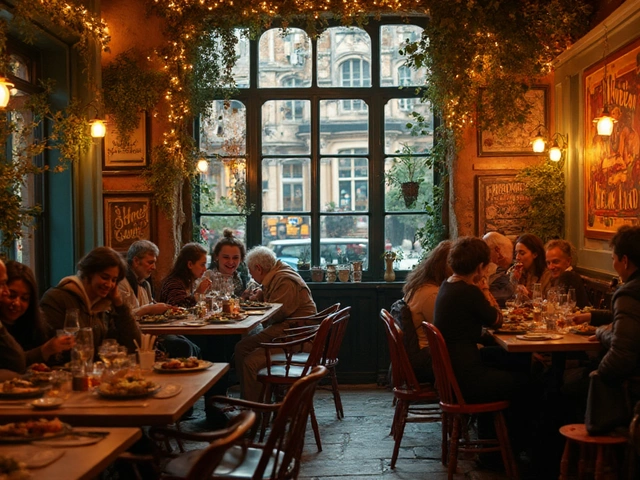
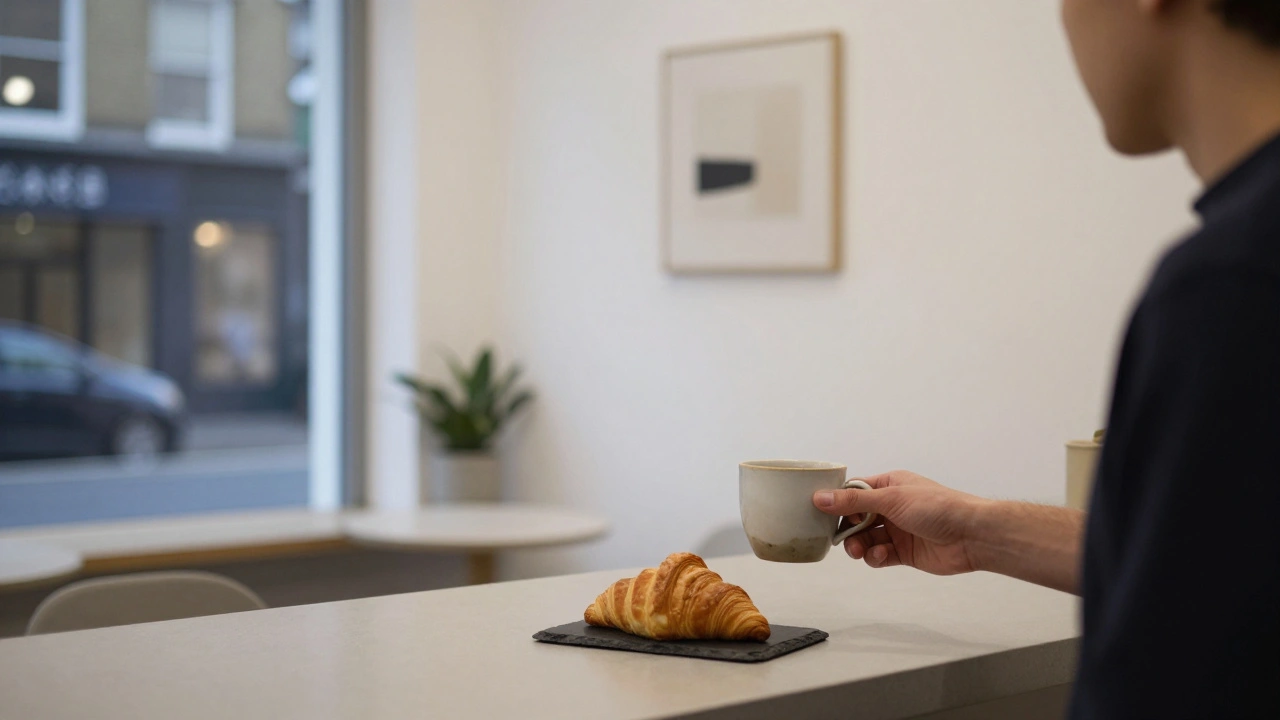
You push the door open. The bell doesn’t ring-it’s been removed. The air smells like roasted beans and old paper. The counter is small. There’s a single stool by the window. Someone’s reading. Someone else is typing. No one looks up.
You order. The barista doesn’t ask if you want it to go. They hand you the cup like it’s a gift. You sit. The music is a low hum-nothing you can name, just something that fits the night. You take a sip. It’s warm. It’s real. The city outside is still moving. But here? You’re still.
Some nights, you’ll leave with a new book. Others, you’ll leave with nothing but a full cup and a quieter mind.
Pricing: No Surprises Here
Most night cafes charge the same as daytime spots. A latte? £4.50. A croissant? £3.25. A whiskey flight? £12. But here’s the twist: they never jack up prices at night. No "late-night premium." No hidden fees. What you see on the menu is what you pay.
Some places offer night specials: 20% off after midnight. Free biscuit with your third drink. A complimentary tea if you’re still here at 4 a.m. They don’t advertise it. You just hear about it from the person next to you.
Booking? Usually not needed. Walk in. Sit. Stay as long as you like. Most places don’t close until dawn-and even then, they’ll let you linger if you’re quiet.
Safety Tips for Night Cafe Hopping
London’s safe. But smart is better.
- Stick to well-lit streets. Avoid alleyways between 1 a.m. and 4 a.m. unless you know the area.
- Let someone know where you’re going. Even if it’s just a text: "At The Night Gallery. Back by 5."
- Carry a small power bank. Your phone might die. And you’ll want to call a cab.
- Don’t leave your bag unattended. Even in quiet places, people get careless.
- If you feel off, leave. No shame. The next cafe is never far.
Most night cafes have staff who’ve been there for years. They notice when someone looks lost. If you seem unsure, they’ll ask if you’re okay. That’s the unspoken rule: we look out for each other.

London Night Cafe vs. Nightclub: What’s the Real Difference?
| Feature | Night Cafe | Nightclub |
|---|---|---|
| Atmosphere | Quiet, warm, intimate | Loud, bright, crowded |
| Music | Soft jazz, vinyl, ambient | Bass-heavy, EDM, pop |
| Drink Options | Coffee, tea, hot chocolate, whiskey | Beer, cocktails, shots |
| Food | Toast, pastries, sandwiches, snacks | Usually none, or overpriced bar food |
| Time to Stay | Open until dawn, no rush | Close at 2 a.m., last call at 1:30 |
| Who Goes There | Writers, nurses, students, travelers, night owls | Partiers, clubbers, socializers |
One’s a party. The other’s a pause. One leaves you tired. The other leaves you whole.
Frequently Asked Questions
Are London night cafes open every night?
Most are, but not all. Places like Elmwood’s in Walthamstow and The Midnight Grind in Camden are open 24/7. Others close between 4 a.m. and 6 a.m. for cleaning. Always check their Instagram or Google listing-most update their hours in real time.
Can I work in a night cafe?
Absolutely. Many night cafes are designed for quiet work. They have outlets, decent Wi-Fi, and no one will bother you. Just don’t take up two seats. And if you’re there past 3 a.m., buy a second drink. It’s the unspoken rule.
Do night cafes serve alcohol?
Some do. Many don’t. It depends on their license and vibe. Places like The Night Gallery serve whiskey and wine. Quiet Hour in Islington doesn’t serve any alcohol at all. If you’re looking for drinks, check the menu or call ahead. Most have it listed online.
Is it weird to go to a night cafe alone?
Not at all. In fact, most regulars are solo. You’ll see people reading, writing, sketching, or just staring out the window. It’s not lonely-it’s peaceful. The staff know you’re there to be alone. And that’s okay.
What’s the best time to go?
Midnight to 3 a.m. is the sweet spot. The city’s quiet, the crowd’s thin, and the coffee’s at its best. If you go after 4 a.m., you might be the only one there. And that’s when it feels like the whole city belongs to you.
Ready to Find Your Night Cafe?
Tomorrow night, skip the club. Skip the takeout. Walk out your door after dark. Don’t plan it. Just go. Turn down a street you’ve never taken. Look for a light. A quiet hum. A door that doesn’t slam. Step inside. Order something warm. Sit. Breathe. The night isn’t just something to survive. It’s something to savor.