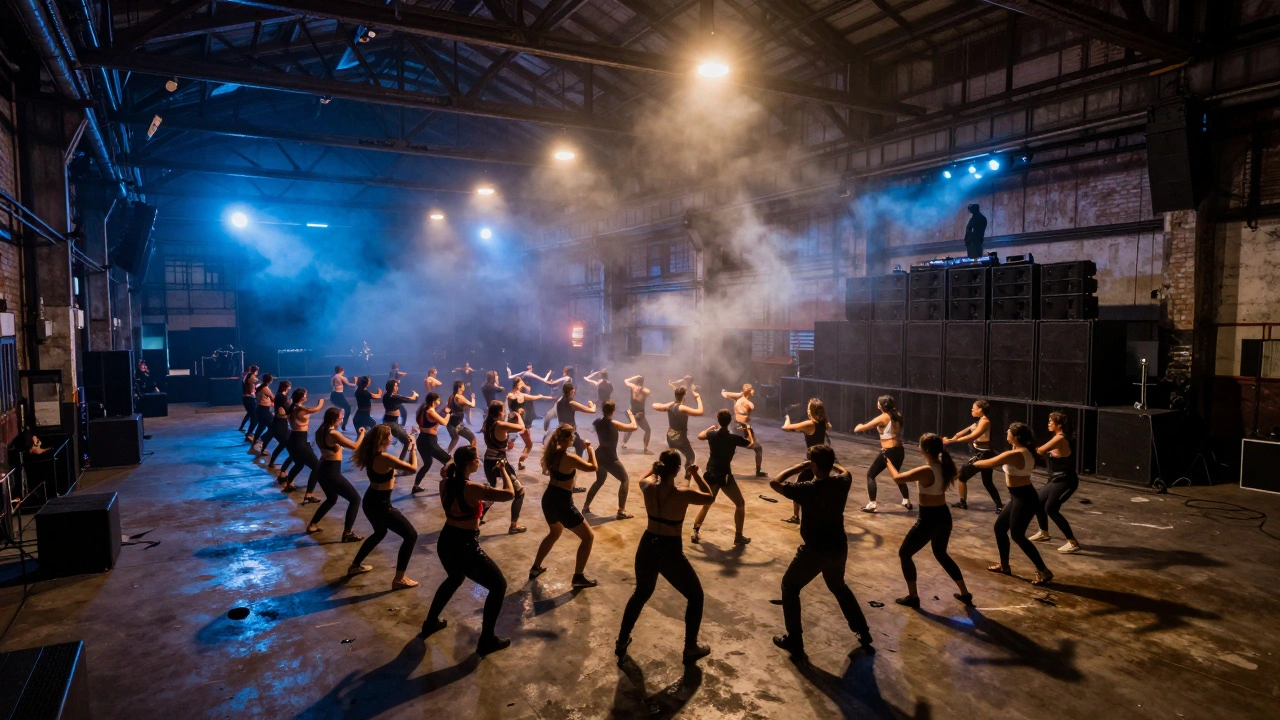

You remember those old industrial buildings tucked between railway lines and warehouse districts? The ones with rusted metal doors and windows boarded up for years? Printworks London was one of them-until it wasn’t.
What Printworks London Actually Was
Printworks London wasn’t always a club. Before it became one of the city’s most legendary electronic music venues, it was a working printing press. Built in the 1970s, it churned out newspapers, magazines, and flyers for major UK publishers. The floors were concrete, the ceilings were 15 feet high, and the walls still bore ink stains from decades of presses rolling 24/7. It wasn’t designed for people to dance-it was designed to print the news.
When the printing industry moved overseas and digital media took over, the building sat empty. For years, it was just another forgotten relic of London’s industrial past. Then, in 2016, a group of music lovers saw something else: a cavernous, raw space with perfect acoustics and zero restrictions. No liquor licenses limiting hours. No neighbors complaining about noise. Just 10,000 square feet of pure, unfiltered potential.
They opened Printworks as a nightclub, and suddenly, the city had a new kind of temple for music.
Why Printworks Changed London’s Nightlife
Before Printworks, London’s clubs felt like boxes with lights and speakers. Even the big ones-Fabric, XOYO, Ministry of Sound-had ceilings you could reach if you jumped. Printworks had none of that. It had volume-the kind that vibrates in your chest before you even hear the bass. The sound system was custom-built by the same team behind Berghain’s legendary setup. Every speaker was placed with military precision. The floor? Concrete, left exactly as it was when the presses ran. No carpet. No stage. Just a long, dark hall where DJs ruled and the crowd moved like one organism.
It wasn’t just about the music. It was the atmosphere. The smell of old ink and damp concrete. The flickering emergency lights during power drops. The way the smoke from the fog machines curled under the high rafters. You didn’t go to Printworks to see people-you went to lose yourself.
Artists like Charlotte de Witte, Jeff Mills, and Richie Hawtin played here like it was their cathedral. The crowd? Mostly locals-no tourists in matching shirts, no bottle service queues. Just people who came for the sound, the space, and the silence between beats.
The Last Party at Printworks
Printworks closed its doors in January 2023. The reason? Property development. The building sat on prime land near the Thames, and the owners sold it to a real estate firm planning luxury apartments. The final night was a 12-hour marathon. Over 3,000 people showed up. No one left early. No one talked about the next club. They just danced-until the last track faded and the lights came up.
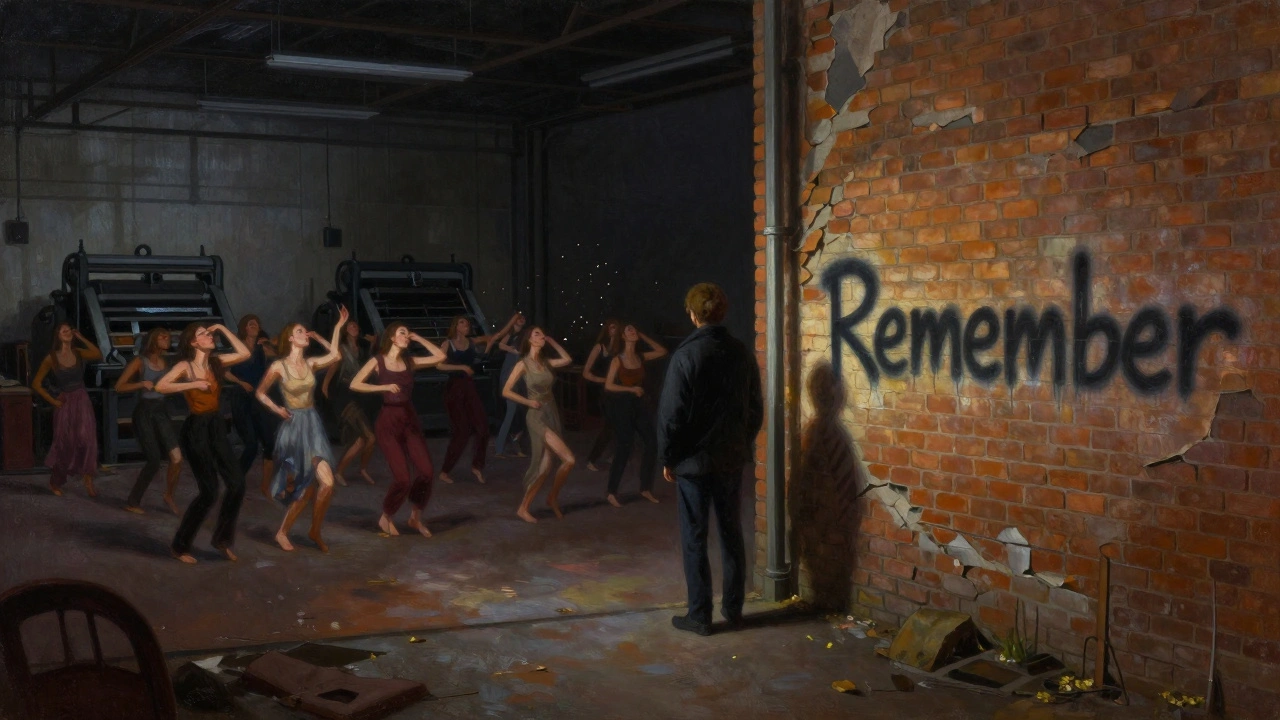
That night, someone spray-painted a single word on the wall beside the exit: Remember.
It wasn’t just a farewell. It was a warning. Printworks proved that London could still make space for something raw, unpolished, and real. And now that it’s gone, we’re left wondering: will it ever come back?
What Happened to the Space After It Closed
By summer 2023, demolition began. The old printing presses were auctioned off-some ended up in museums, others in private collections. The steel beams were recycled. The ink-stained floors? Crushed into gravel for road construction.
Today, the site is a fenced-off construction zone. You can see the foundations of the old building peeking out under scaffolding. A sign on the fence says: “The Printworks Residences - Coming 2026.”
There won’t be any bass here anymore. Just balconies, espresso machines, and a gym with floor-to-ceiling windows.
Where to Find the Spirit of Printworks Today
Printworks is gone, but its soul lives on. If you miss that feeling-the weight of the bass, the silence before the drop, the rawness of the space-here’s where to find echoes of it:
- Oval Space - Just down the river in Kennington. Same concrete floors, same industrial vibe, same no-frills approach to sound. It’s the closest thing left.
- The Warehouse Project (Manchester) - Not in London, but if you’re willing to travel, this is the spiritual cousin. Abandoned factories turned into 24-hour music temples.
- DECK - A pop-up venue in a former bus depot in Hackney. No branding. No logo. Just music, fog, and a crowd that shows up because they love the sound, not the Instagram post.
- Studio 338 - In Woolwich. Still operating. Still raw. Still loud. The crowd here remembers Printworks. You’ll hear it in the way they move.
These places don’t try to be Printworks. They just carry the same DNA: no pretense, no VIP sections, no bottle service. Just music and space.
Why Printworks Still Matters
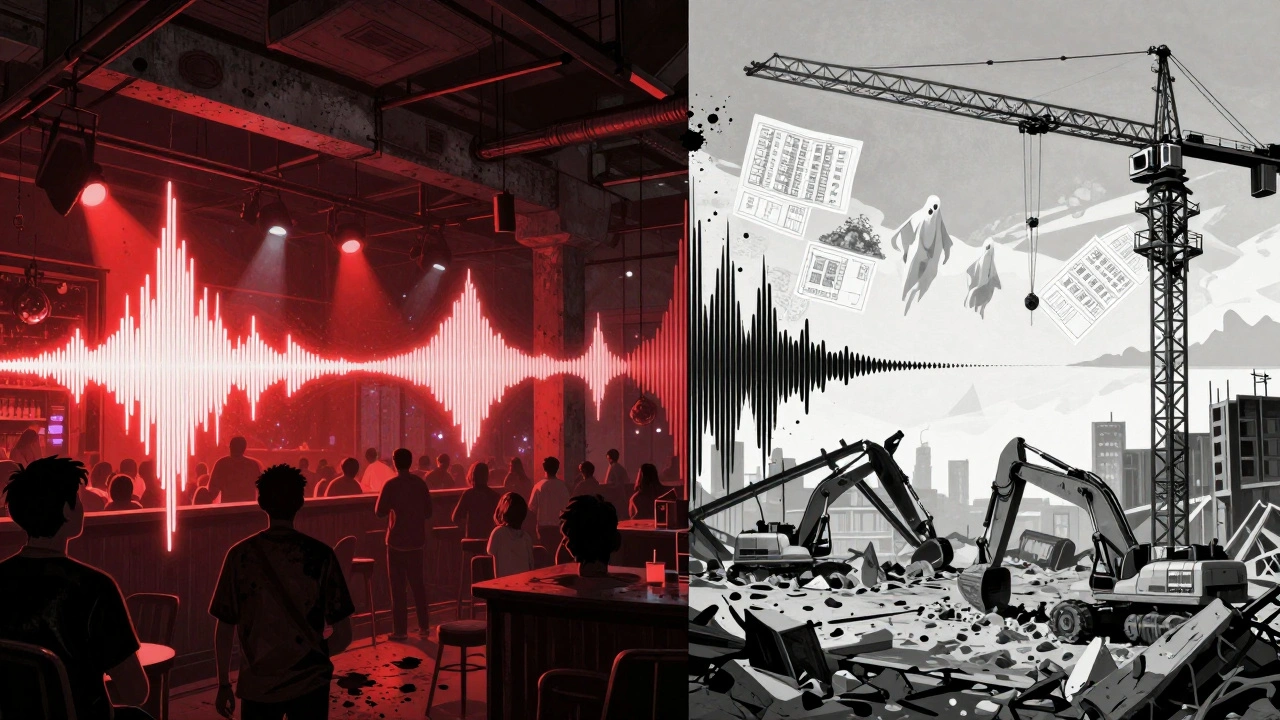
It’s not just about the music. Printworks was a protest. A quiet, bass-heavy rebellion against the gentrification of London’s culture. While the city turned old pubs into avocado toast cafes and warehouse lofts into co-working spaces, Printworks said: No. This space belongs to the music.
It didn’t need a fancy logo. It didn’t need influencers. It didn’t need to be ‘Instagrammable.’ It just needed to be loud enough to shake the dust off the walls.
Now, when you walk past a construction site in Bermondsey or Peckham and see a new apartment block rising where a warehouse once stood, think about Printworks. Think about what gets lost when we turn everything into something ‘safe.’
What You Can Do Now
Don’t just mourn Printworks. Keep its spirit alive.
- Support underground venues. Go to shows in basements, warehouses, and disused shops. Pay the door price. Don’t wait for the next big thing to be marketed to you.
- Follow local promoters who book real DJs-not TikTok stars. Look for events with no branding, no sponsors, no fancy posters.
- If you’re a musician or producer, play in places that don’t have Wi-Fi passwords on the door. Play where the sound matters more than the lighting.
- Don’t post about it. Just be there.
Printworks didn’t survive because it was trendy. It survived because it was true.
FAQ: Your Questions About Printworks London Answered
Was Printworks London a legal venue?
Yes. Printworks held full licensing for music events, alcohol sales, and late-night operations. It was one of the few venues in London with a 24-hour license for special events. The club operated within the law, even though its vibe felt like it was operating outside of it.
Can you still visit the Printworks building today?
No. The building was demolished in 2023. The site is now a construction zone for luxury apartments called The Printworks Residences. There’s no public access, and the area is fenced off with security. You can view it from the street, but you can’t go inside.
Did any part of Printworks survive the demolition?
Some elements were preserved. The original sound system was dismantled and sold to a private collector in Berlin. A few of the old printing presses were donated to the Design Museum in London. One of the original concrete floors was cut into panels and displayed at a pop-up art exhibit in Shoreditch in 2023. But the space itself? Gone.
What was the biggest event ever held at Printworks?
The final night on January 15, 2023, was the largest single event, with over 3,000 attendees. But one of the most legendary was the 2018 ‘12 Hours of Bass’ with Jeff Mills and Ben Klock. The crowd stayed until 8 a.m., and the building’s structure was so loud that nearby residents reported their windows rattling-despite being 200 meters away.
Are there any documentaries or books about Printworks?
There’s no official documentary yet, but the 2022 book Concrete and Bass: The Rise and Fall of London’s Industrial Clubs by music journalist Samira Khan dedicates a full chapter to Printworks. It includes interviews with DJs, staff, and regulars. You can find it in London libraries and independent bookshops like Libreria in Brixton.
Categories
Popular Articles
Nov 18 2025
May 24 2025