
You’ve walked past the markets, smelled the sizzle from alleyway stalls, and maybe even tried a pie at a pub. But have you really tasted London? The city’s food scene isn’t just about fish and chips or afternoon tea-it’s a wild, delicious mashup of centuries, cultures, and cravings. From colonial spices to modern twists, here are 12 dishes you can’t leave without trying.
Full English Breakfast
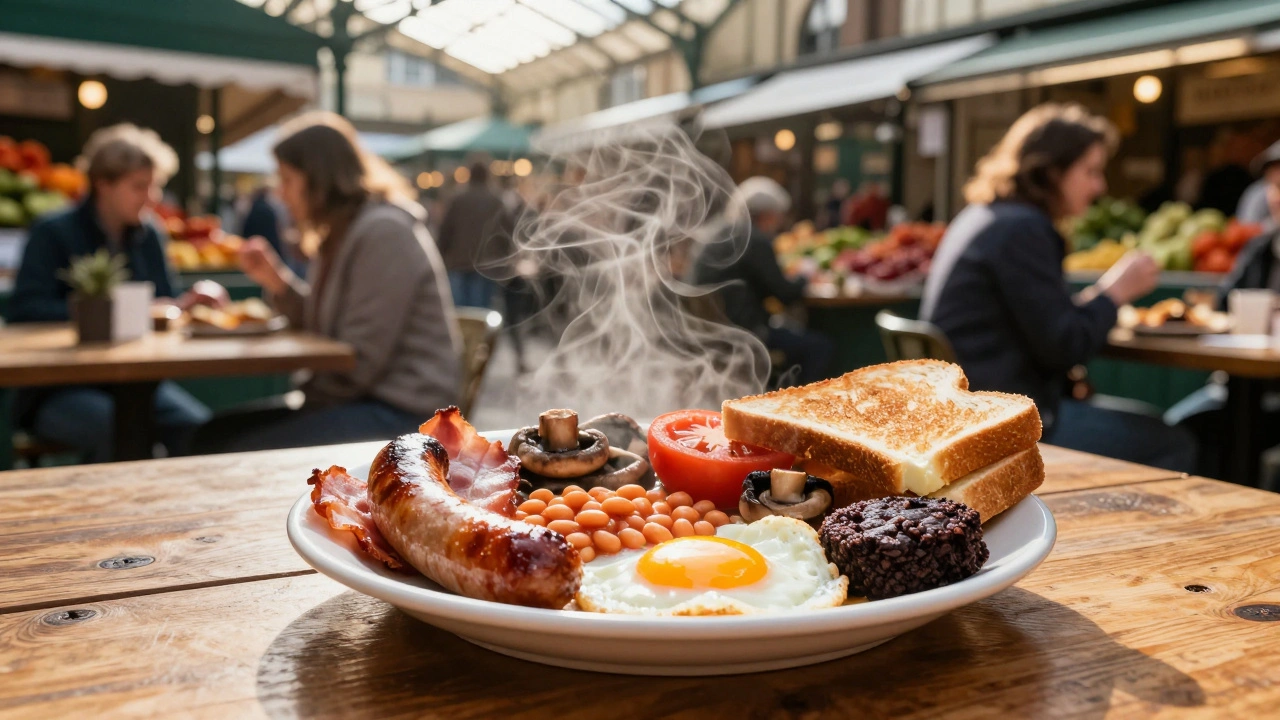
Don’t call it a ‘big breakfast.’ In London, it’s the Full English-a plate that doesn’t ask for permission, it demands your attention. Sausages from a local butcher, back bacon crispy at the edges, baked beans swimming in tomato sauce, fried eggs with runny yolks, grilled tomatoes, mushrooms, black pudding (yes, it’s blood sausage, and it’s amazing), and toast with butter. It’s not breakfast. It’s a statement. Head to Borough Market or a no-frills greasy spoon in East London, and you’ll understand why this dish still holds the city’s morning heart.
Chicken Tikka Masala
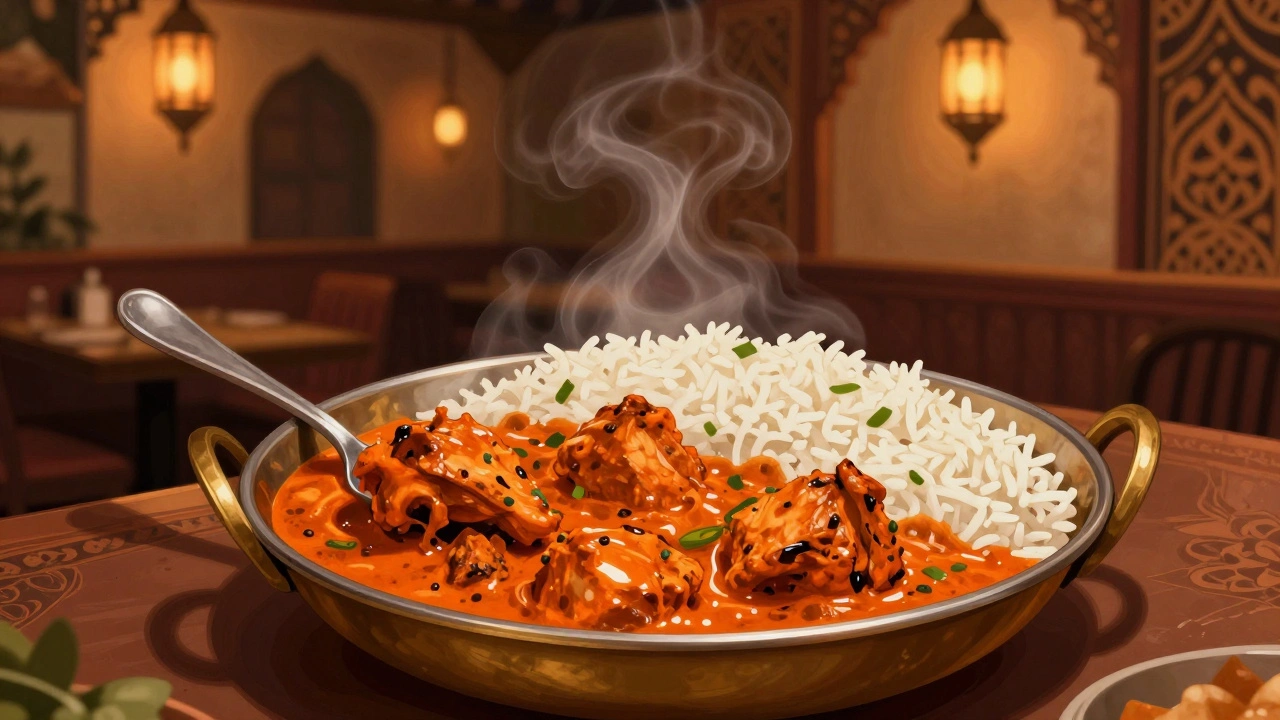
Here’s a fun fact: Chicken Tikka Masala is technically British. No one’s sure exactly where it was invented, but it’s been served in London pubs since the 1970s. Creamy, spiced, slightly sweet, and served with fluffy basmati rice, this dish is the UK’s unofficial national food. You’ll find it everywhere-from a £12 pub special to a £25 version at a Michelin-starred Indian restaurant. Try it at Dishoom in Covent Garden. The secret? They slow-cook the chicken in tandoor ovens and simmer the sauce for hours. It’s comfort in a bowl.
Pie and Mash
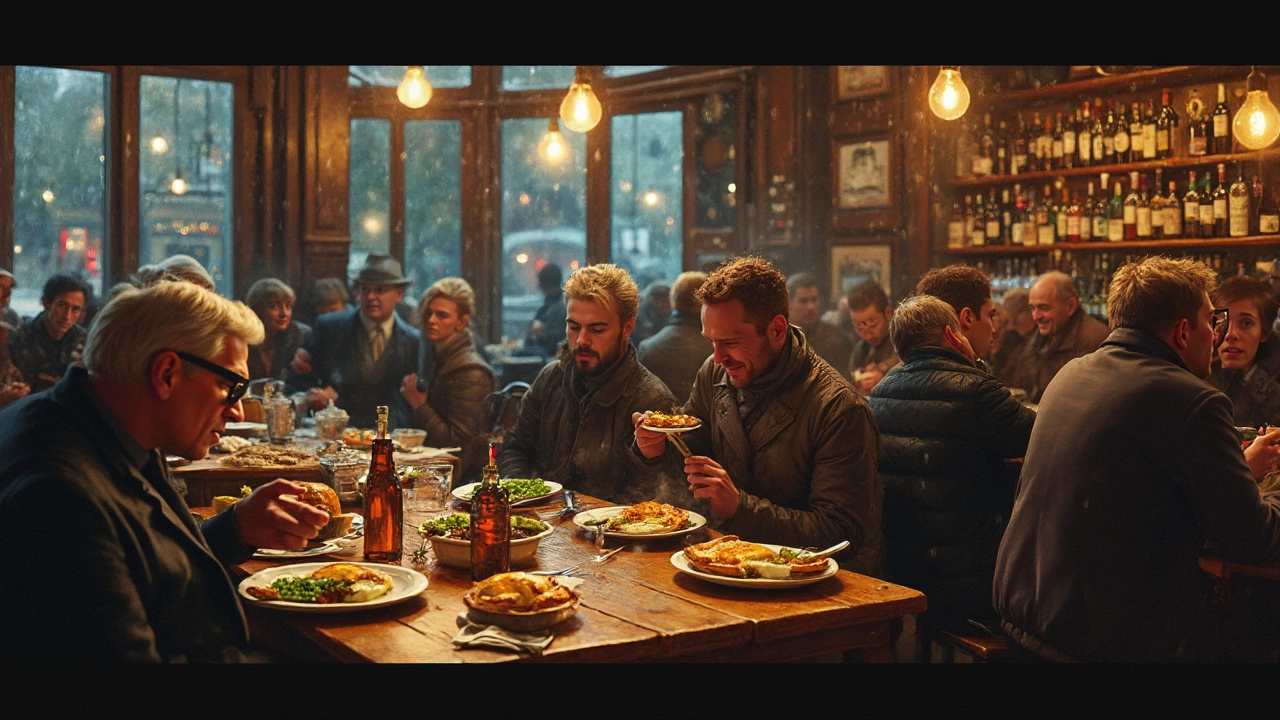
Ask any East Ender what they eat after a long shift, and they’ll say pie and mash. It’s simple: a flaky, hand-raised meat pie (usually beef or eel), served with mashed potatoes and a spoonful of liquor-a green parsley sauce that’s not alcohol, despite the name. This dish dates back to the 1800s and was once the working-class staple. Today, you’ll find it at M. Manze in Peckham, still cooked the same way since 1902. The sauce is the magic. It cuts through the richness like nothing else.
Afternoon Tea
Yes, it’s touristy. But if you’ve never had proper afternoon tea in London, you haven’t really been here. It’s not just scones and tea. It’s finger sandwiches with cucumber and dill, warm scones with clotted cream and jam, and delicate pastries stacked like a cake tower. The ritual matters: tea poured from a pot, not a kettle. Try it at The Ritz for the full experience, or Fortnum & Mason for something more relaxed. Book weeks ahead-it’s worth the wait.
Spicy Lamb Kebab
London’s kebab game is world-class. Forget the late-night greasy ones. The real ones? Found in the backstreets of Southall or Camden. Marinated lamb, charred on a vertical spit, sliced thin, and stuffed into a warm pita with pickled onions, chili sauce, and fresh herbs. The spice hits slow, then lingers. You’ll find it at Al-Baik in Southall-locals line up at 10 p.m. on a Friday. It’s the kind of food that makes you forget you’re in a foreign city.
Scotch Egg
It sounds odd: a hard-boiled egg wrapped in sausage meat, breaded, and deep-fried. But in London, the Scotch egg is elevated to art. At Fortnum & Mason, they use free-range eggs and artisan pork sausage. At The Ethicurean in Bristol (a short train ride away), they add truffle and herbs. You’ll find them in delis, pubs, and even at the Tate Modern’s café. It’s the perfect pub snack, picnic item, or midnight bite. The crust should crack, the egg should be just set, and the sausage should be juicy.
Black Pudding
Don’t let the name scare you. Black pudding is a type of blood sausage made with pork blood, oatmeal, and spices. It’s dense, savory, and slightly metallic in the best way. In London, it’s often fried and served as part of a Full English, but you’ll also find it on gourmet menus with apple compote or in a burger. Try it at St. John in Smithfield. The chef toasts the pudding until the edges crisp, then serves it with a dollop of mustard. It’s not for everyone-but once you try it, you’ll understand why it’s been eaten here for 500 years.
Currywurst
Yes, it’s German. But London’s version? Better. The city has one of the largest German communities in Europe, and their currywurst is legendary. A grilled pork sausage, sliced, smothered in a spicy tomato-curry sauce, and dusted with paprika. Served with fries or bread. You’ll find it at Currywurst Berlin in Soho, where they make the sauce from scratch every day. It’s the kind of dish that feels like a hug after a long day in the rain.
Ploughman’s Lunch
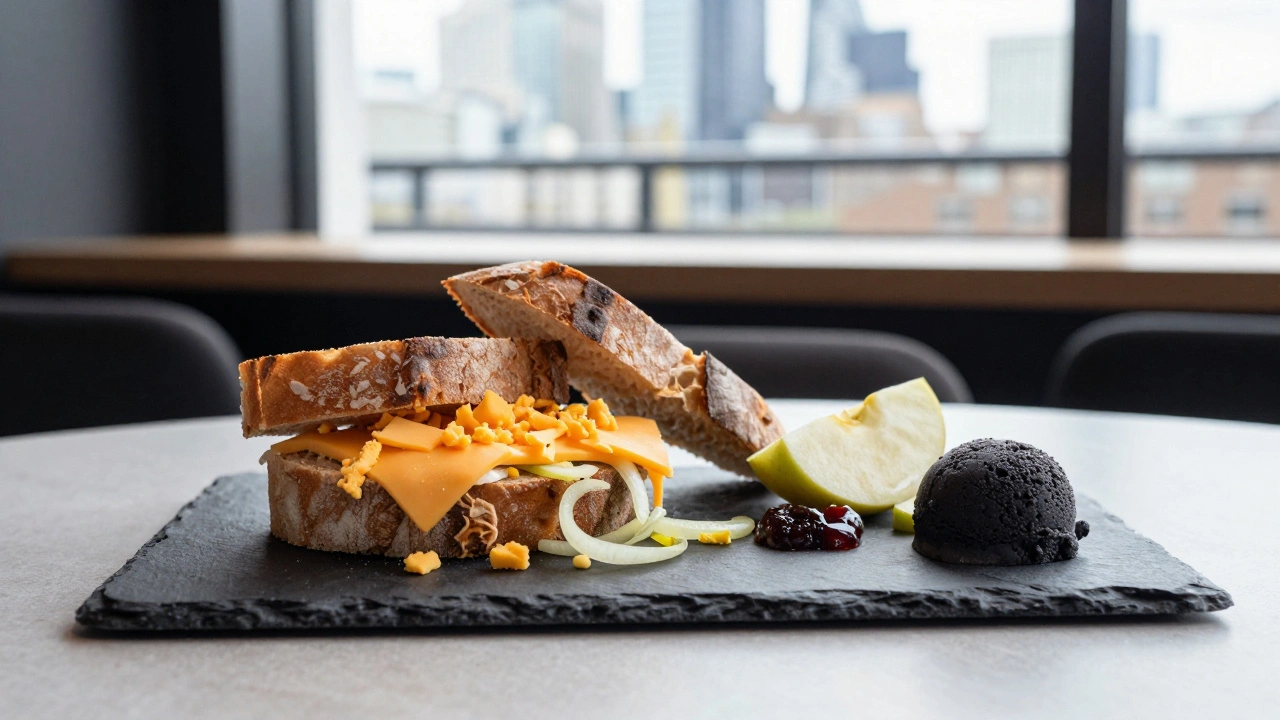
This isn’t a dish you order-it’s a plate you’re handed. Cheddar cheese, pickled onions, crusty bread, apple, and a dollop of chutney. Sometimes, there’s ham or a boiled egg. It’s the British answer to a charcuterie board. Best enjoyed in a pub garden in the Cotswolds or at The Spaniards Inn in Hampstead. The cheese matters: it should be sharp, crumbly, and aged. The bread? Thick, with a crust that snaps. It’s simple, but the balance is everything.
Dim Sum
London’s Chinatown has over 50 dim sum spots, but only a few get it right. Steamed dumplings, pork buns, turnip cakes, and shrimp har gow-each bite should be tender, flavorful, and fresh. The best place? Yum Cha in Soho. They serve it all day, with tea poured by staff who know exactly when to refill your pot. The bamboo baskets arrive hot, the filling is juicy, and the dipping sauce is just spicy enough. It’s not just food-it’s a social ritual.
Jerk Chicken
From the Caribbean to the streets of Brixton, jerk chicken is a flavor explosion. Marinated in Scotch bonnet peppers, allspice, thyme, and garlic, then slow-smoked over pimento wood. The skin is charred, the meat is tender, and the heat builds slowly. You’ll find it at The Jerk Shack in Brixton Market. They serve it with rice and peas, fried plantains, and a side of mango salsa. It’s the kind of food that makes you close your eyes and sigh.
London Fog
Wait-this isn’t a weather report. It’s a drink. A London Fog is Earl Grey tea, steamed milk, and a splash of vanilla syrup. It’s creamy, fragrant, and calming. You’ll find it in every independent café from Shoreditch to Notting Hill. The best version? At The Tea House in Camden. They use loose-leaf Earl Grey from a small farm in Sri Lanka and hand-pour the milk. It’s not a meal, but it’s the perfect end to a food crawl.
Comparison: Traditional vs. Modern London Dishes
| Traditional Dish | Modern Twist | Where to Try |
|---|---|---|
| Pie and Mash | Pie and Mash Burger (meat pie in a brioche bun) | London Pie Co., Shoreditch |
| Full English Breakfast | Vegetarian Full English (with jackfruit bacon and tofu scramble) | The Vegan Kitchen, Dalston |
| Afternoon Tea | Prosecco Afternoon Tea with lavender scones | Sketch, Mayfair |
| Scotch Egg | Truffle Scotch Egg with quail egg inside | St. John, Smithfield |
| Black Pudding | Black Pudding Ice Cream (yes, really) | St. John Bread and Wine, Spitalfields |
What to Expect When You Try These Dishes
You won’t always find these in fancy restaurants. Some are served on paper plates in market stalls. Others come with linen napkins and silverware. That’s the beauty of London. The food doesn’t care about your wallet-it cares about flavor. Expect long lines at popular spots. Expect to share tables. Expect to be offered a second helping. And expect to leave full, happy, and already planning your next meal.
How to Find the Best Food Spots in London
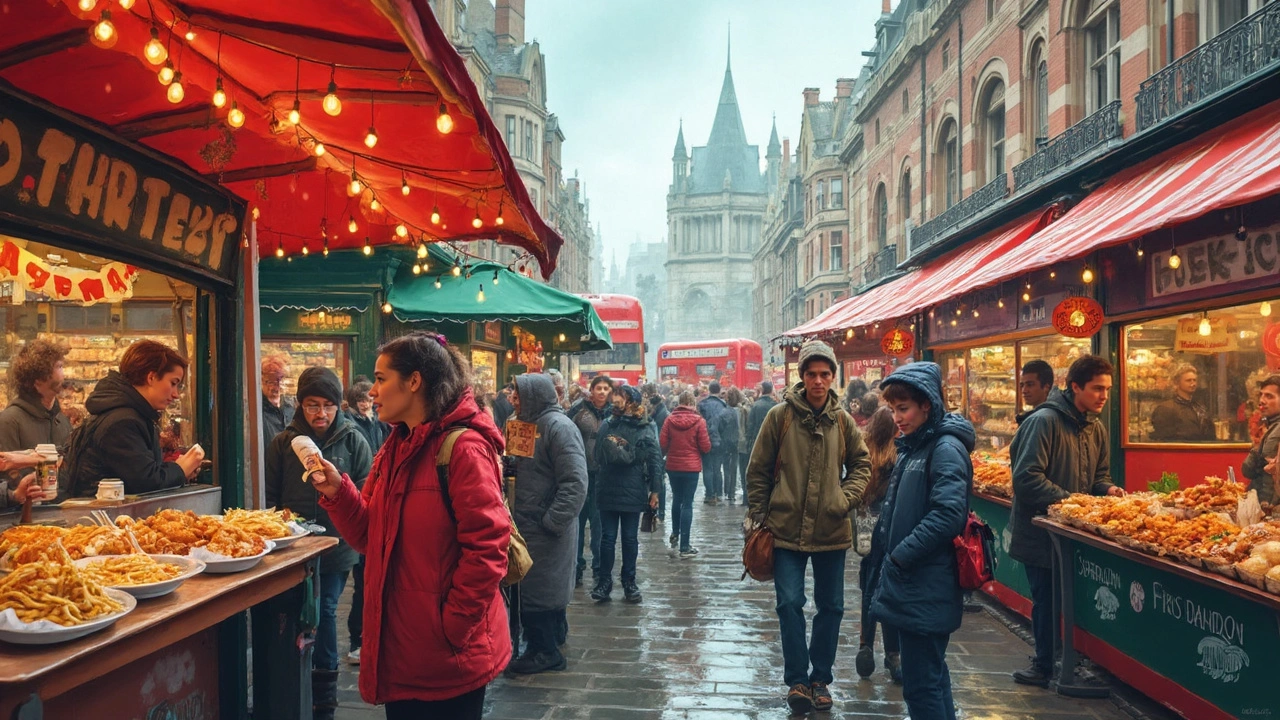
Don’t just Google ‘best food in London.’ Walk. Wander. Follow the smell. Markets like Borough Market, Camden Market, and Brixton Market are goldmines. Look for places where locals are standing in line-not tourists with cameras. Ask the vendor: ‘What do you eat here?’ They’ll point you to their favorite bite. Also, check Time Out London’s weekly food picks. They don’t do influencer lists-they talk to chefs and street vendors.
What to Avoid
Don’t eat at tourist traps near Big Ben or Trafalgar Square. The fish and chips? Usually frozen and reheated. The ‘traditional’ pubs? Often overpriced and bland. Skip the ‘London Fog’ coffee shops that use powdered tea. And if you see a menu with ‘English’ in the name and no other languages? That’s a red flag. Real London food is multicultural. If it’s only English, it’s probably not authentic.
Best Times to Eat
Breakfast? 7-10 a.m. at a greasy spoon. Lunch? 12-2 p.m. at a market stall. Dinner? 6-8 p.m. at a curry house. Late night? 11 p.m. for a kebab. After midnight? Find a 24-hour pie shop in East London. The city never sleeps, and neither does its food.
Frequently Asked Questions
What is the most popular food in London?
Chicken Tikka Masala is the most popular dish, according to a 2024 survey by the British Food Trust. It’s served in over 80% of London restaurants, and more people order it than pizza or burgers. But if you ask locals, they’ll say it’s the Full English Breakfast-it’s what they eat every Sunday.
Is London food expensive?
It can be, but it doesn’t have to be. A Full English costs £8-£12 at a local café. A kebab is £5-£7. Even afternoon tea can be found for £25 if you skip the champagne. Markets like Brixton and Camden offer street food for £4-£8. You can eat like a king for under £20 a day.
Are there vegetarian options in London?
Yes, and they’re amazing. You can get vegan pie and mash, jackfruit ‘bacon’ in a Full English, and even black pudding made with beetroot and lentils. The Vegan Kitchen in Dalston and Farmacy in Notting Hill are two of the best. London has more vegan restaurants per capita than any other European city.
What’s the best place to try British food?
For authenticity, go to M. Manze in Peckham for pie and mash, St. John in Smithfield for black pudding, and The Spaniards Inn in Hampstead for a Ploughman’s Lunch. These places haven’t changed in 100 years-and that’s why they’re still the best.
Can I eat all 12 dishes in one day?
Technically, yes. But you’ll regret it. Spread them out over a week. Start with breakfast, then hit a market for lunch, a pub for dinner, and end with a London Fog. Pace yourself. The goal isn’t to eat everything-it’s to taste everything.
Next Steps
Grab a map. Pick three dishes from this list. Pick two neighborhoods you’ve never been to. Walk there. Eat. Talk to the people behind the counter. Take a photo. Don’t just eat to fill your stomach-eat to understand the city. London doesn’t just feed you. It tells you its story-one bite at a time.